Global Recognition
OSMU Russia is a state medical university listed in the WDOMS, recognised by several international medical bodies, such as the WFME and ECFMG.
MBBS in Russia · Omsk
MBBS at Omsk State Medical University in Omsk City, Russia — fees, eligibility, the admission timeline and FMGE outcomes, explained for Indian students.
Overview
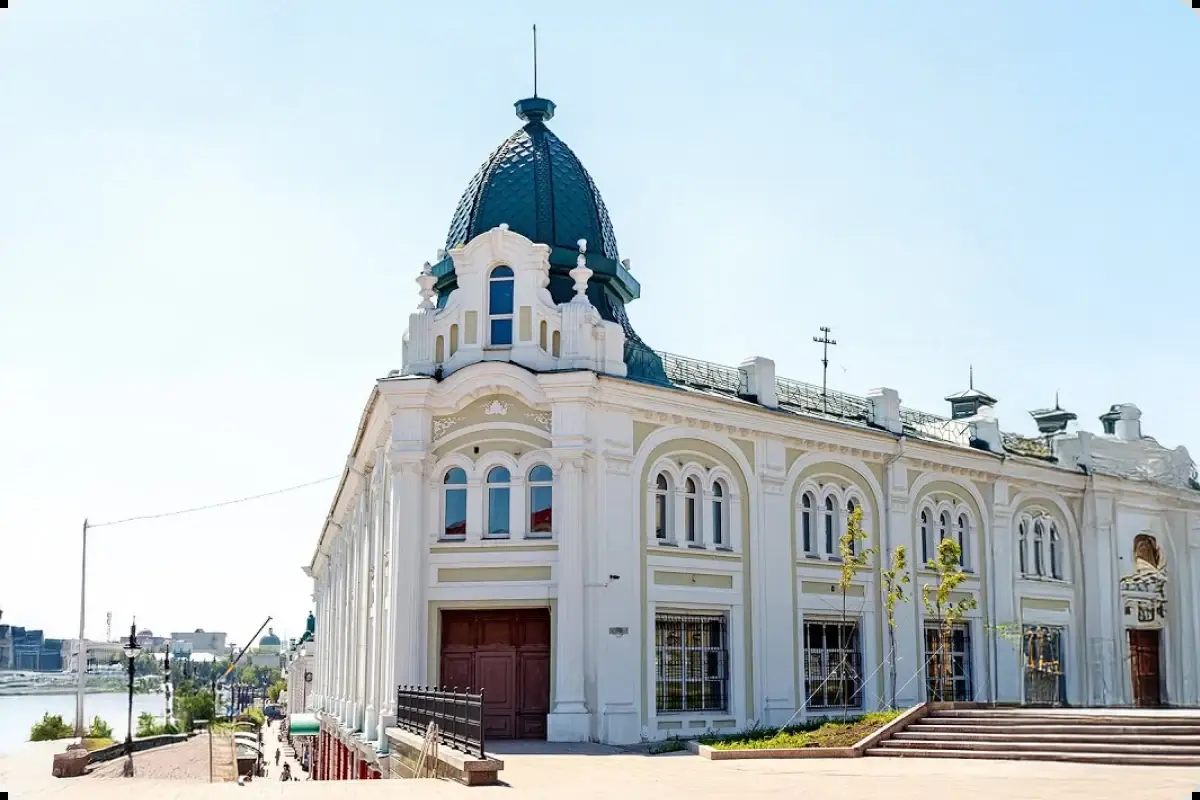
Omsk State Medical University (OSMU) is a public medical university in Omsk, one of Siberia’s major academic and healthcare centres. Founded in 1920, the university is over a century old and offers a 6-year General Medicine (MBBS) programme for international students, taught in English and aligned with the latest NMC FMGL Regulations 2021. An MBBS in Omsk State Medical University for international students is a vibrant experience. With more than 600 Omsk State Medical University Indian students already on campus, it offers a strong community of people. With affordable Omsk State Medical University fees set in Russian roubles (RUB 303,000), Indian students can pursue their studies without financial difficulties. With global recognition from the WDOMS, WFME, ECFMG, and others, it is a popular option for MBBS abroad in Russia.
At a glance
| Particulars | Details |
|---|---|
| University Name | Omsk State Medical University (OSMU) |
| Established | 1920 |
| Location | Omsk City, Omsk Oblast, southwestern Siberia |
| Course Offered | General Medicine (MD Degree Programme) |
| Course Duration | 6 Years (5-Years Coursework + 1-Year Clinical Internship) |
| Medium of Instruction | English for foreign students, but Russian language taught for patient interactions |
| Recognition | Listed in WDOMS, recognised by WHO, NMC, FAIMER, ECFMG, accredited by the Russian Ministry of Health |
| Eligibility | 10+2 with PCB, scored 50% (40% SC/ST/OBC), 17 years |
| Intake | September |
| Application Deadline | Varies by year, typically late June |
| Tuition (Year 1) | ₹3,33,300 |
| Total Students | 5,500+ Students |
| Indian Students | 600+ Indian Students |
| Countries Represented | India, Kenya, Sudan, Kazakhstan, Belarus, and more |
OSMU Russia is a state medical university listed in the WDOMS, recognised by several international medical bodies, such as the WFME and ECFMG.
The MBBS in Omsk State Medical University for foreign students is taught entirely in English, while Russian is taught as a subject to allow patient interactions.
Omsk State Medical University fees for 6-year English-taught “General Medicine” are significantly lower than those at many private medical colleges in India.
OMSU utilises several resources and facilities available for research and training, including high-tech laboratories, simulation centres, and one of Russia’s largest libraries.
Omsk State Medical University Indian students enjoy a familiar community of over 600 Indian students, providing genuine peer support and cultural comfort.
OSMU Russia offers early clinical exposure with regular visits from the third year in regional municipal hospitals, giving students hands-on experience in real clinical settings.
Recognition
For a clear context and understanding of the recognition, neither the Indian National Medical Commission (NMC) nor the World Health Organization (WHO) “approves” any medical institutions in the world; however, Omsk State Medical University appears in the World Directory of Medical Schools (WDOMS) with its several historic academic names.
Omsk State Medical University NMC approved status is acknowledged due to its compliance with the NMC guidelines, outlined as “FMGL Regulations 2021” in the Indian Gazette: a 6-year-long programme with 5 years of coursework and 1 year of internship, delivered in English, and recognised by the Russian ministries, enabling graduates to sit for the FMGE/NExT in India. Students can also attempt the USMLE, PLAB/UKMLA, and other country-specific exams.
The National Medical Commission (NMC) of India set certain requirements for a foreign medical degree earned by an Indian student. These requirements must be met before an Indian foreign medical graduate can register to practise medicine back in their home country. Look at the table below to verify the NMC compliance requirements for OSMU Russia:
| NMC requirement | Status |
|---|---|
| Minimum 54 months of theoretical instruction | Compliant |
| 12-month clinical internship | Compliant |
| English as the medium of instruction | Compliant |
| All mandatory Schedule 1 subjects taught | Compliant |
| The degree awarded is a primary medical qualification | Compliant |
| Internship completed at the university-affiliated hospital | Compliant |
Always cross-check the current NMC and WDOMS listings before finalising any foreign medical university/institution. Ask us, and we will point you in the right direction.
Not sat it yet? Put in the score you expect — you can redo this later.
The PCB average, not your overall percentage.
Ranking
| Ranking body | World | Russia | Regional |
|---|---|---|---|
| Quacquarelli Symonds (QS) | — | — | 215-300 (EECA Rankings) |
| SCImago Institutions Rankings | 9067 | 35 (for Medicine) | 182 (for Medicine in Eastern Europe) |
| Webometrics | 5710 | 157 | 1588 (in Europe) |
| EduRank | 5156 | 127 | 3 (in Omsk) |
Omsk State Medical University ranking is in the 215-300 range for “QS EECA [Emerging European and Central Asia] Rankings”. SCImago Institutions Rankings, Webometrics, and EduRank have placed OSMU in the 9067th, 5710th, and 5156th positions globally, respectively. In Russia, its ranking is among the top 200 universities, with a 35th national position for the subject of medicine.
Fees
The Omsk State Medical University fee structure shows an affordable range of education for all Indian medical aspirants. It's paid in Russian rubles (RUB) and may change every academic year. The table below represents an overall approximation of the original RUB value in Indian Rupees (INR). Omsk State Medical University fees for the 6-year General Medicine English-taught programme are RUB 303,000 per year for foreign students, translated to ₹3,33,300 per year for Indian students. Compared with what Indian students pay for the competition to access private MBBS seats in India, the total cost for the 6-year programme is very affordable. Look at the table below to access further information.
| Item | Amount (approx.) |
|---|---|
| Tuition - Year 1 | RUB 303,000 · ≈ ₹3,33,300 |
| Tuition - Years 2 to 6 (each) | RUB 303,000 · ≈ ₹3,33,300 |
| Hostel (Per Year) | RUB 109,091 · ≈ ₹1,20,000 |
| Medical Insurance & Visa Extension (Per Year) | RUB 12,000 · ≈ ₹13,200 |
| Tuition Fee Across the Full Six Years | RUB 1,818,000 · ≈ ₹19,99,800 |
| Overall 6-Year MBBS Budget | RUB 2,604,454 · ≈ ₹28,64,900 |
| Food, Flights & Personal Spending (6 Years) | RUB 872,728 · ≈ ₹9,60,000 |
Note: The shown values are based on the university's prevailing tuition fees for international students and other estimated expenses. These are subject to change depending on different factors, including policy changes, inflation rates, and exchange rate fluctuations. The Indian values presented are based on an exchange rate of RUB 1 = ₹1.1.
Total cost of the six-year programme: about ₹28.64 lakh, which changes according to the university's and country's regulations and other relevant factors. Food, flights and personal expenses add another significant category of overall expenditure in your 6-year journey, depending on the specific location where you live (both in India and abroad), lifestyle habits, and how much the university charges for miscellaneous expenses (laptop, textbooks, etc.).
Calculate my total cost
Tuition is only part of it. Add hostel, food and flights to see what six years actually costs you.
Total across six years
₹0
Want this as a one-page PDF you can show your family?
Get the fee sheetLiving costs
| Item | Amount (approx.) |
|---|---|
| Hostel Accommodation Per Year | RUB 109,091 · ≈ ₹1,20,000 |
| Indian Tiffin Service Per Year | RUB 108,000 · ≈ ₹1,18,800 |
| Self-catering (instead of a mess) Per Year | RUB 43,636 · ≈ ₹48,000 |
| Local Transport Per Year | RUB 7,200 · ≈ ₹7,920 |
| Admin, Medical, Visa & Biometrics (Single Time) | RUB 23,000 · ≈ ₹25,300 |
Living costs are separate from tuition fees, and students who share rooms and cook their own meals can keep overall expenses lower. All the presented values are subject to change, depending on the exact location, inflation rate, exchange rate, lifestyle habits, and other factors. The Indian values presented are based on an exchange rate of RUB 1 = ₹1.1.
Eligibility
Check if my NEET score qualifies
Admission
The Omsk State Medical University admission process includes NMC requirements and compliance with the Russian embassy for a visa.
Verify your eligibility for admission, matching the academic qualification and other requirements of the university.
Fill out and submit the application form online for an MBBS in Omsk State Medical University while attaching the required documents.
Provide attested copies of your documents. They must also be translated into the required language and notarised.
After the university reviews your application, they will provide you with an official Omsk State Medical University admission letter upon a successful review process.
Pay the required tuition fees for confirmation of your seat. The university will issue you an invitation letter; apply for a Russian study visa at the nearest embassy or consulate.
Arrange accommodation and travel for your smooth transition. Inform the university of your arrival date and arrive on time for the final enrolment process and orientation.
| Stage | When |
|---|---|
| Applications Open | March - April |
| Application Window | April - May |
| Application Deadline | Entire June |
| Review and Examination | July - August |
| Invitation Letter and Visa | August - September |
| Classes Begin | September |
Paperwork
All documents must be translated into the requested language and notarised before submission.
Curriculum
| Stage | Phase | What you study |
|---|---|---|
| Years 1-2 | Pre-clinical | Anatomy, histology, embryology, biochemistry, physiology, medical biology and genetics, chemistry and physics, Latin and basic Russian |
| Year 3 | Para-clinical | Pathology, microbiology, virology, immunology, pharmacology, hygiene and early patient contact |
| Years 4-5 | Clinical | Internal medicine, surgery, obstetrics & gynaecology, paediatrics, infectious diseases, neurology, psychiatry, ophthalmology, ENT, oncology, forensic medicine |
| Year 6 | Rotatory Internship | Final-year clinical internship, rotating across core departments, concluding the programme with a state-final examination. |
Outcomes
| Year | Appeared | Passed | Pass rate |
|---|---|---|---|
| 2025 | 1 | 0 | 0.00% |
| 2024 | 2 | 0 | 0.00% |
| 2023 | 4 | 0 | 0.00% |
| 2022 | 1 | 0 | 0.00% |
According to the official NBEMS historical reports, Omsk State Medical University FMGE passing rates show a consistent zero percentile between 2022 and 2025. However, these statistics must be interpreted by the students with a certain consciousness of the entire dataset. Students must consider and take into account the small sample size of the data, as only 8 total graduates sat for the FMGE examination over the four years. While the lack of successful candidates raises concerns regarding the medical curriculum alignment with the Indian medical licensing standards, the minimal amount of data makes the passing rate calculation and an accurate outcome difficult. Students are advised to thoroughly research clinical exposure, faculty support, and FMGE preparation resources.
Talk to a counsellor about outcomes
Talk to an expertProgrammes
General medicine, surgery, paediatrics, internal medicine, and practical clinical training across university hospital clinics prepare students effectively for qualifying licensing examinations (FMGE/NExT, USMLE, and PLAB).
Focused on paediatric diseases, child development, and preventive health, qualifying graduates for hospital practice as professional paediatricians or further sub-specialities.
A comprehensive training programme in dental surgery, orthodontics, prosthodontics, and oral pathology utilising modern state-of-the-art technology and dental clinics.
Covers pharmacology, pharmaceutical chemistry, and drug dispensing with hands-on experience in research at laboratories and clinical training opportunities.
Focused on public health, epidemiology, hygiene, infectious diseases, and microbiology, preparing medical students for roles in health administration, research institutions, and government agencies.
Advanced clinical specialisation and practical medical residency training across diverse hospital departments.
| Particulars | Details |
|---|---|
| Primary Course | General Medicine (equivalent to MBBS) |
| Duration | 6 Years (5 years of study + 12-month clinical internship) |
| Medium of Instruction | English, with Russian taught for patient interaction |
| Intake | September |
| Application Deadline | Entire June (a month) |
| Degree Awarded | MD; Specialist degree, recognised as a Primary Medical Qualification |
Student life
The Omsk State Medical University hostel provides students with 3-4 seater rooms. These sharing units also have a central heating system and Wi-Fi connectivity.
The rooms are equipped with essential furniture, including beds, study desks, wardrobes, and bedside tables. The hostel has shared kitchens, laundry rooms, study rooms, and common areas.
Omsk State Medical University has 24/7 security with CCTV surveillance, a pass-based entry system, and regulated safety measures to ensure that students feel safe and comfortable.
Students get access to 22 sports clubs, an Olympic pool, 2 gym areas, 5 fitness centres, and dedicated spaces to organise cultural events.
The student dormitories are located in proximity to the main academic buildings and clinics of Omsk State Medical University, providing furnished rooms for 3-4 students per unit.
On food: Omsk State Medical University hostel buildings feature shared kitchens, allowing Indian students to self-cook and manage their own dietary requirements at affordable grocery prices. They can also utilise Indian tiffin services available in Omsk (also available throughout Russia) or feel free to explore local dining facilities located near the campus.
Learn more about hostel accommodation
The city
Omsk State Medical University is situated in Omsk City, located at the convergence of the Irtysh and Om rivers. With an estimated population of 1,181,000 in 2026, it is one of the largest cultural and economic centres of Siberia. It also has a reputation for being an administrative, industrial and academic centre with a robust healthcare system. The city is known for its neoclassical architecture, theatre scenes, industrial centres, and scenic rivers.
Omsk operates Omsk Standard Time (OMST), which is 6 hours ahead of GMT (Greenwich Mean Time) or UTC (Coordinated Universal Time), as Russia does not have daylight saving time.
Public transportation in Omsk relies on buses, trolleybuses, trams, and minibuses called marshrutkas. Taxis are also available via mobile applications to travel and visit tourist attractions, including the Vrubel Museum of Fine Arts, the Drama Theatre, and the Tara Gates.
Omsk has low rates of violent crime; however, students are advised to practise general precautions and safety measures, such as avoiding poorly lit suburban areas late at night and avoiding sensitive conversations with local people.
| Season | Typical range | What to expect |
|---|---|---|
| Summer (June - August) | 18°C to 25°C | Warm and sunny summer with occasional thunderstorms. Ideal for outdoor activities, river cruises, and exploring the green parks around the city. |
| Autumn (September - October) | 5°C to 15°C | Cooling and crisp air with changing foliage and increasing rainfall that brings transition into early snowfall by October. |
| Winter (November - March) | −10°C to −25°C | Freezing Siberian temperatures, heavy snow cover, icy roads, and shorter daylight hours requiring heavy thermal clothing, winter coats, boots, and indoor central heating systems. |
| Spring (April - May) | 5°C to 18°C | Rapidly melting ice, warm breeze, longer daylight hours, and greenery across city parks. |
After graduation
After completing the MBBS in Omsk State Medical University, Indian graduates can return to India for medical licensing examinations (FMGE/NExT) to get a valid registration in India. Once registered, the graduates-turned-doctors can work in government or private multispecialty hospitals, establish an independent private practice, or pursue postgraduate specialisation through NEET-PG in recognised academic institutions across the country.
After fulfilling the local licensing requirements, Indian graduates can proactively pursue medical practice in state or private hospitals. They can pursue Russian ‘Ordinatura’ postgraduate programmes or conduct medical research across Russia.
Graduates can also pursue international career pathways by clearing their global licensing examinations, including USMLE (for the US), PLAB (for the UK), or AMC (for Australia). This allows them to pursue postgraduate specialisation in a preferred destination.
Discuss with an experienced counselor
Explore global opportunitiesTravel
Students fly into Omsk Tsentralny Airport (OMS), situated approximately 5 kilometres from central Omsk and the Omsk State Medical University main campus.
Students travel from major Indian cities like New Delhi or Mumbai to Omsk Tsentralny Airport. Common flight itineraries include connecting flights with layovers in international transit cities, such as Moscow, Tashkent, Astana, or Dubai.
Our representative will meet you at the airport and escort you to the Omsk State Medical University. Upon reaching the university, they will guide you across the dormitories and help with hostel room allocation, document verification, and mandatory local requirements.
Next step
Send your NEET score and Class 12 marks and we will confirm whether you meet the NMC eligibility rules before anything is submitted to the university.
FAQ
Omsk State Medical University ranking is 215-300 in the QS EECA Rankings 2027; ranked 9067 globally and 35 nationally for its medical education by SCImago Institutions Rankings, while being ranked 5710th globally, 157th nationally, and 1588th in Europe by Webometrics. Omsk State Medical University claims its “overall ranking” to be 88th among 278 Russian universities, while holding a BBB category ranking.
OSMU Russia appears in the World Directory of Medical Schools (WDOMS), offering a 6-year English-medium MBBS with a clinical internship, which meets the NMC FMGL 2021 requirements, making it an NMC-compliant university for Indian students.
Omsk State Medical University fees are RUB 303,000 per year, which translates to ₹3.33 lakh per year for prospective Indian MBBS students (as per the exchange rate of RUB 1 = ₹1.1).
Yes, NEET is mandatory before applying to Omsk State Medical University if you wish to practise medicine back in India after graduation, as per the NMC public notification released in 2020.
Most first-year MBBS Omsk State Medical University Indian students stay in hostels because they are affordable and close to the main academic buildings, but they can later relocate to other facilities.
Yes, the main medical subjects in the curriculum of the English-taught 6-year “General Medicine” programme are taught in English, with the Russian language taught alongside the main classes so that students will be able to interact with the local patients without any language barriers.
There are approximately 600 Indian students pursuing their MBBS in Omsk State Medical University across different years of the 6-year English-medium “General Medicine” programme.
Most Indian students take the FMGE after graduating from Omsk State Medical University to practise medicine back in their home country. They can also pursue Russian ‘Ordinatura’, or licensing examinations of their preferred country, such as USMLE (for the US), PLAB (for the UK), or AMC (for Australia).
Omsk State Medical University is a state university with a listing in the WDOMS (WHO-affiliated) and is a reputed institution in Russia.
Yes, eligible Indian medical aspirants can apply for an educational loan to lower the Omsk State Medical University fees or get allowances for their daily expenses. Several Indian banks consider it for educational loans, subject to their individual policies.